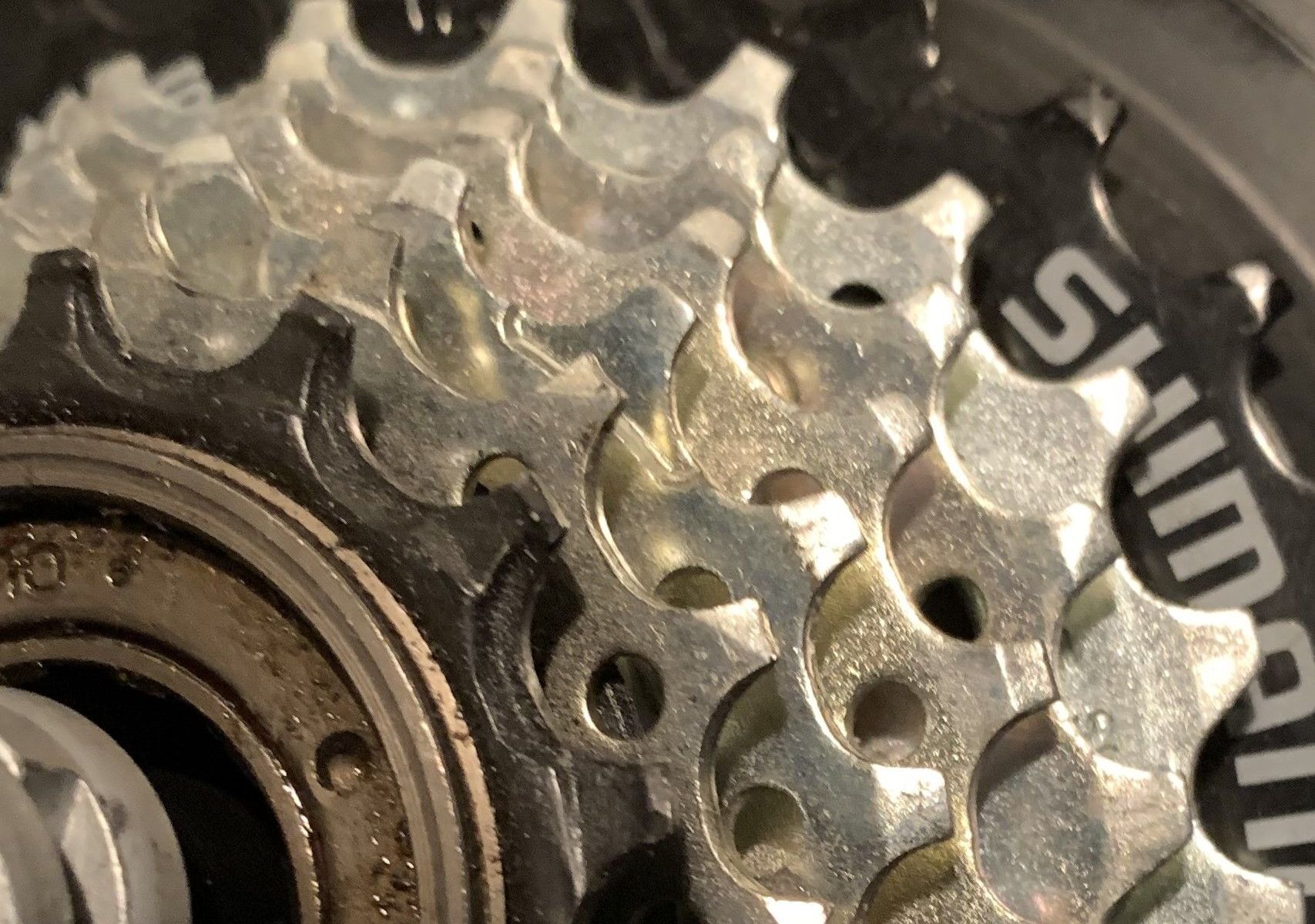
How the size and number of teeth on your sprockets affect the torque and power – and the fun!
-
To Torque or not to Torque: More about Pedal Assist
What are the difference between the cadence sensor vs torque sensor? Pedal Assist is a technology used in electric bikes (e-bikes) that provides assistance to the rider when pedaling. There are different types of sensors used in Pedal Assist systems, including cadence sensors and torque sensors. Here’s a description of each: Pros of Cadence Sensors:…
-
Fat Tire Flats
Feeling Deflated? Considerations of riding when you have a flat. A flat fat tire, like any flat tire, presents several challenges and issues that can make it difficult to deal with. Here are some key points to consider: To mitigate these challenges and issues, it is crucial to regularly inspect and maintain the tire pressure…
-
Fat Tire eBikes are the Best Choice for Me.
Why I ride a Fat Tire eBike Exploring the Extraordinary Benefits of Fat Tire eBike
-
Ride Saddle, Ride
How to choose the best saddle for an EPIC ride.
-
We’re Going to Pump You Up!
can you use a regular air pump to pump up the tires on a fat bike? You can use a regular air pump to inflate the tires on a fat bike, including fat bike tires. However, there are a few things to consider: Alternatively, there are specialized pumps available, such as fat bike-specific floor pumps…
The number of teeth on a sprocket is related to torque and power output in a bike drivetrain, particularly when considering different speeds. Here’s how teeth number affects torque and power at low, medium, and higher speeds:
- Low Speeds:
- With a smaller number of teeth on the sprocket (e.g., smaller chainring or larger rear cog), the torque applied to the rear wheel increases. This is because the force exerted by the rider’s pedaling is distributed over fewer teeth, resulting in a higher torque output.
- At low speeds, such as when starting from a stop or climbing a steep hill, having a sprocket with fewer teeth can provide more leverage and allow for easier acceleration or better power transfer.
- Medium Speeds:
- As speed increases, the relationship between sprocket teeth, torque, and power becomes more nuanced. The rider’s pedaling cadence and gear ratio come into play.
- Higher gear ratios, achieved by using larger chainrings or smaller rear cogs, result in a higher top speed but require more effort to maintain. The rider may experience increased pedaling resistance due to the reduced leverage provided by the larger sprocket.
- The optimal gear ratio at medium speeds will depend on factors such as the rider’s strength and preferred cadence, the terrain, and the desired balance between speed and pedaling effort.
- Higher Speeds:
- At higher speeds, aerodynamic drag becomes a significant factor, and the effect of sprocket teeth on power output is less pronounced.
- In these scenarios, riders often prioritize maintaining a comfortable cadence within their preferred range rather than focusing solely on torque or power output.
- Choosing an appropriate gear ratio for higher speeds involves balancing the desired pedaling effort with efficiency and maintaining a consistent cadence.
It’s essential to note that torque and power output are influenced by various factors beyond just sprocket teeth, such as the rider’s strength, pedaling technique, bike weight, and overall gear ratio. Additionally, the interaction between sprocket teeth, chainrings, and rear cogs forms a complex system where multiple gear combinations affect torque and power output differently.
To optimize performance across different speeds, it’s advisable to experiment with gear ratios, consider the terrain and riding conditions, and find the combination that provides a comfortable pedaling cadence and efficient power transfer for your specific riding style and goals.
 EPIC Fat Tire Ebike Central